

 Image 1 of 4
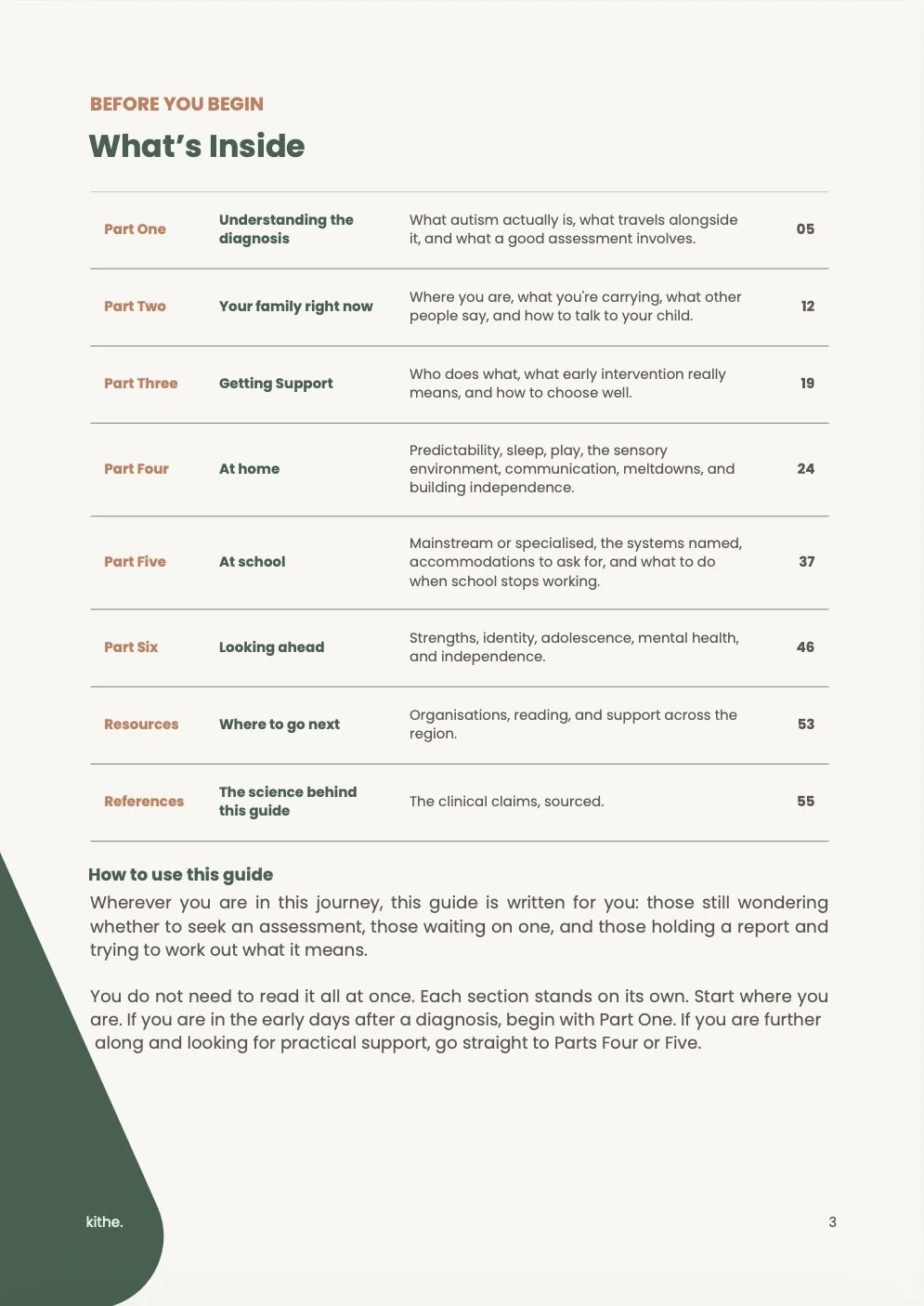 Image 2 of 4
 Image 3 of 4
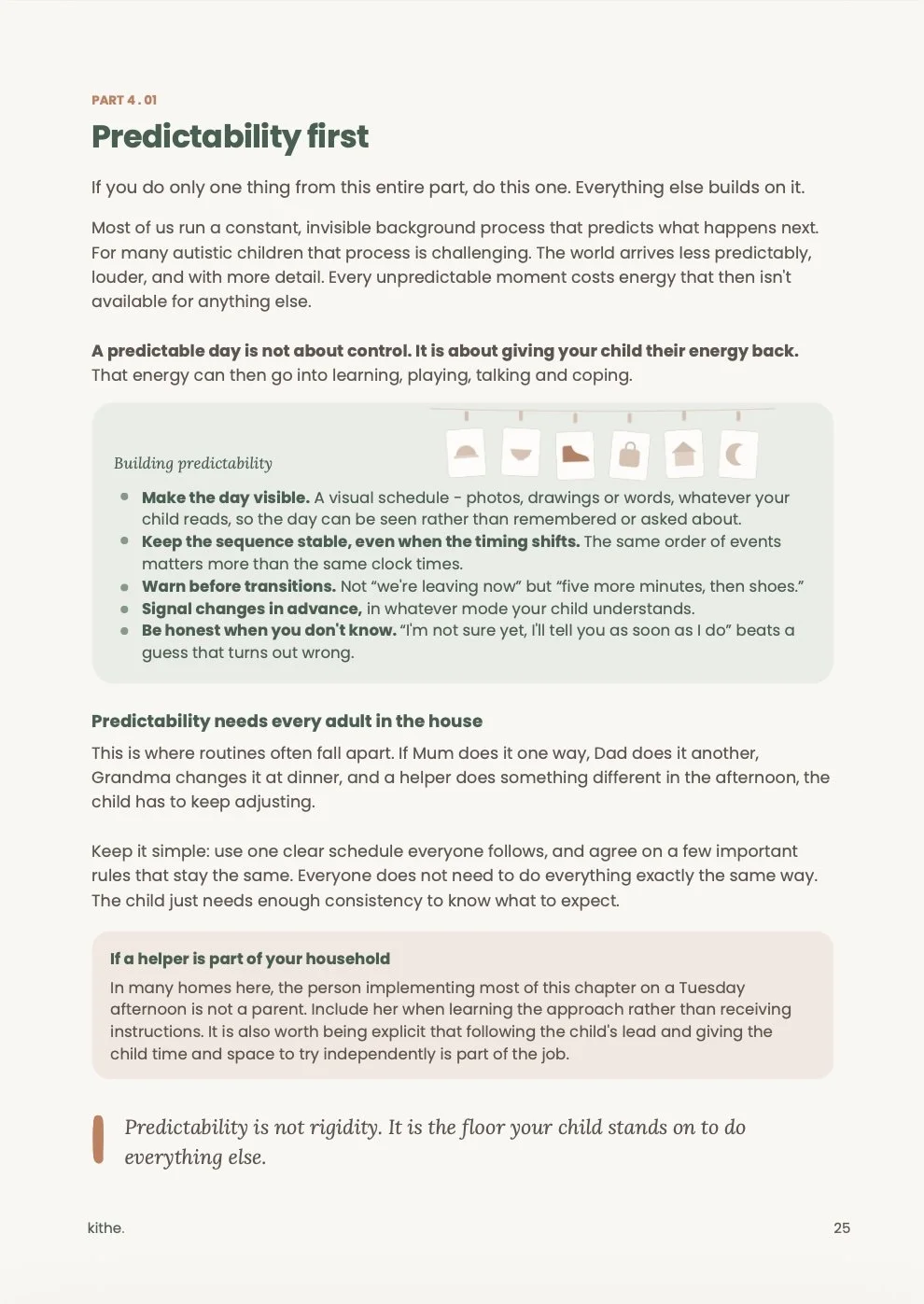 Image 4 of 4
You've sat with the report. Read the same page more times than you can count. Heard "he'll grow out of it" from one relative and "have you tried being stricter?" from another, and still aren't sure what any of it means for your child.
This guide was created to give you a clearer place to start.
Written by a child psychologist for families in Asia, it brings together the clinical knowledge, research and practical strategies parents are often left trying to piece together for themselves, alongside the cultural realities most autism resources never mention.
Inside, you'll learn what autism actually looks like in everyday life, why some children go unnoticed for years, and how to support your child at home, at school and as they grow.
You'll come away with a clearer understanding of:
what autism is, what levels of support mean, and what often comes alongside it
what a good assessment involves and what to ask for
how to talk about autism with your child, siblings and wider family
how to choose between therapies, including an honest look at ABA
practical strategies for sleep, sensory needs, communication and meltdowns
school pathways, accommodations and working with teachers
adolescence, mental health and building independence
No jargon. No generic advice. No 200-page textbook.
Just clear, evidence-informed guidance designed to help you understand your child better, and know what to do next.