ABOUT KITHE.Every child deserves
to be known.
Growing up in Singapore, school was very hard for me.
I struggled academically. I argued back with teachers. I forgot homework, called out in class, asked too many questions and rarely seemed to fit comfortably into the spaces around me. The adults around me saw a child who was disruptive, defiant, lazy or simply not trying hard enough. And eventually, I believed them.
My parents loved me and tried their best, mostly with more tuition, but they simply did not understand what was going on or know what to do.
In a culture where achievement carried enormous weight, falling behind did not just make me feel unsuccessful at school. I internalised it. For a long time, I genuinely believed I was a failure.
In my late twenties, I returned to university to study psychology. For the first time, I loved what I was learning, and I thrived. I completed graduate school and became a child psychologist. I worked at a private practice, then in an international school, and somewhere along the way, I began to understand my own childhood differently. I was also formally diagnosed with ADHD. The diagnosis did not suddenly change who I was. It gave me language and understanding for someone I had always been. That understanding is at the heart of Kithe.
As a psychologist, I have now spent years sitting across from children and families in that same place of uncertainty my own parents and teachers once experienced: knowing that something is going on, wanting to help, but not always knowing how to understand it or what to do next.
We now have an abundance of psychological knowledge and research. But there is still an enormous gap between that knowledge and the realities of family life. Especially in Asian families, where culture, achievement, stigma, grandparents, school expectations and ideas about discipline can all shape how a child's differences are understood.
Kithe is everything I wish someone had handed my parents.
I want parents to have access to the kind of clear, evidence-based understanding that my own family never had. Not because every struggle needs a diagnosis. But because being understood can change the way a child understands themselves.
I know what it feels like to grow up believing that who you are is the problem. I also know the difference it makes when somebody finally sees you, and understands you differently.
Being known changes everything. That is why I created Kithe.
Kithe.
(verb, archaic). to make known; to show; to reveal
We chose an old word for an old problem. Children have always needed to be seen clearly. Kithe exists to make your child known. To their school, their family, and most of all, to you.
Not as a label. As a whole person.

The mark
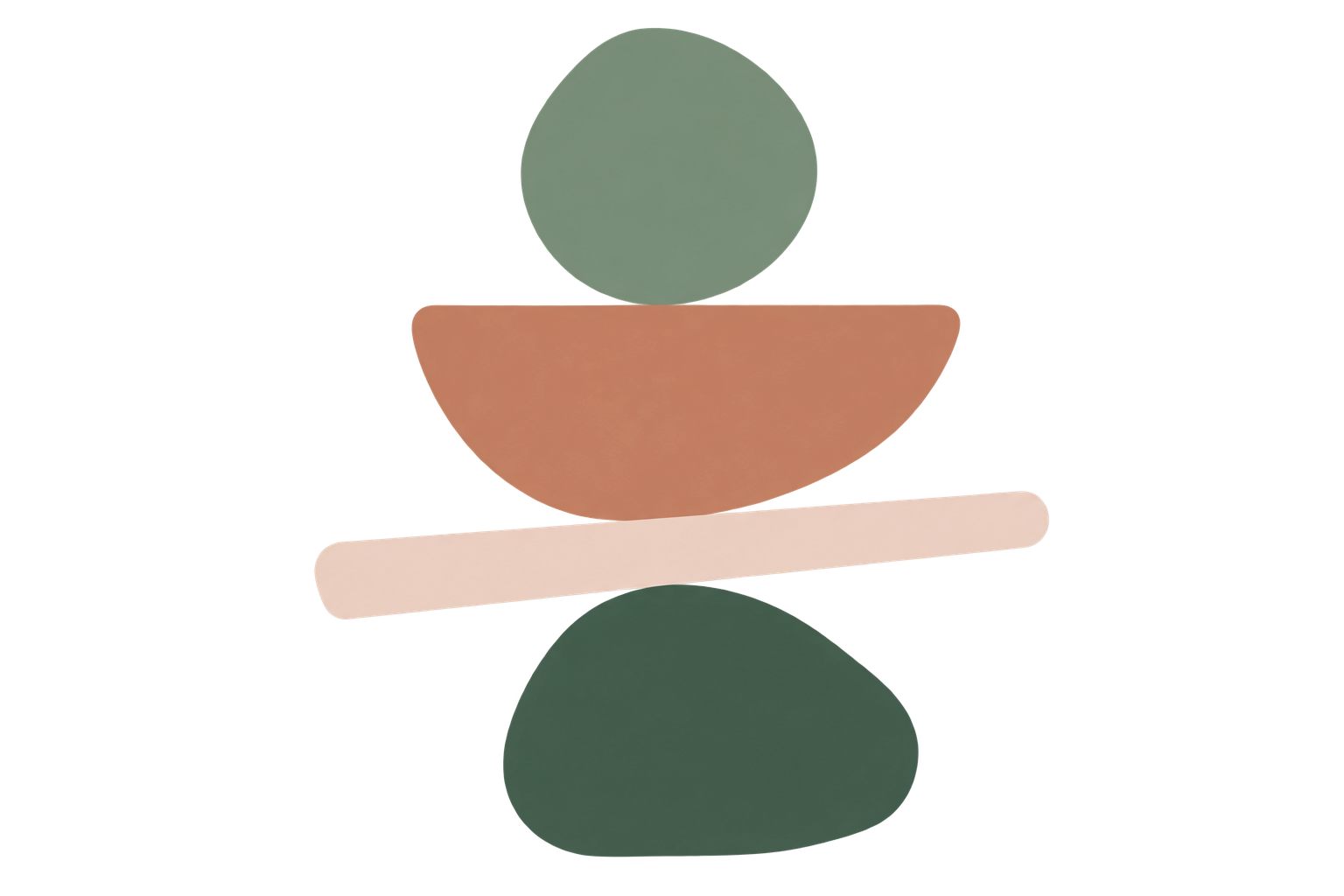
Different shapes, different perspectives, one whole child.
The forms in the Kithe mark come together around a shared centre reflecting the different ways we understand a child: what we see, what they experience, what they need, and the world around them.
At the centre is the idea Kithe was built on: being known.
W H A T W E P R O M I S E
How every Kithe guide is made
— Evidence-based, always
Every recommendation is grounded in clinical research and real assessment experience — never trends, never fear.
— Written for our culture
Guides that understand Asian family life — the schools, the expectations, the extended family, the unspoken things.
— A knowledgeable friend, not a clinic
Warm, plain language you can read at 11pm and act on by breakfast. No jargon, no judgment, no shame.
— Honest about limits
A guide cannot diagnose your child or replace individual professional care. We will always be clear about what you can try yourself, when to seek support, and where Kithe’s role ends.
Subscribe for a free step-by-step guide for the very beginning. What to observe, who to talk to, what to say to school, and how to look after yourself too.
You’re not Overreacting; when you suspect something is different
One useful email a month. No spam, ever. Unsubscribe anytime.